Boom, Bust, Repeat: Reading the Warning Signs Before a Crypto Betting Platform Implodes
If you've been around crypto long enough, you've seen the movie before. A betting platform launches with massive fanfare, token price goes vertical, TVL explodes, influencers pile on — and then, somewhere between month six and month eighteen, the whole thing quietly begins to die. By the time most users figure out what's happening, the smart money is already gone.
The frustrating part? These collapses almost never come out of nowhere. They follow a recognizable pattern, and the signals are sitting right there on-chain for anyone willing to look. This is your guide to reading those signals before you're stuck holding a worthless governance token and waiting on a withdrawal that's never coming.
Why Betting Platforms Are Especially Vulnerable to Boom-Bust Cycles
Traditional financial markets have cycles too, but crypto betting platforms amplify those cycles in ways that can catch even experienced traders off guard. Here's why:
They're doubly leveraged to sentiment. Most betting platforms have their own native tokens, which means their treasury and user incentives are tied to an asset that can lose 80% of its value in a bear market. When token price drops, liquidity incentives shrink, users leave, volume falls, and the token drops further. It's a feedback loop with no natural floor.
User growth drives everything. Unlike a traditional sportsbook that earns a reliable vig regardless of market conditions, many DeFi betting platforms depend on continuous new user deposits to fund rewards. When growth stalls, the math breaks — fast.
Regulatory pressure is non-linear. A single enforcement action or high-profile government statement can trigger a cascade of exits that takes a platform from healthy to zombie status in a matter of weeks.
Understanding these dynamics is step one. Step two is knowing exactly what to watch.
The Five Metrics That Signal an Unwind Is Coming
1. Total Value Locked (TVL) Trend
TVL is the most widely cited health metric for DeFi platforms, and for good reason — it's one of the first numbers to move when insiders start heading for the exits. But raw TVL is less useful than TVL trend over 30 and 90 days.
A platform that's down 15% TVL over 30 days while the broader market is flat or up is telling you something. Check DefiLlama for historical TVL data — it's free, granular, and updated in near real-time. If you see a consistent downtrend with no catalyst or announced reason, treat it as a yellow flag.
2. Active Wallet Count vs. New Wallet Acquisition Rate
Platforms in decline often maintain respectable-looking volume numbers by retaining a shrinking core of heavy users. But the canary in the coal mine is new wallet acquisition rate. When a platform stops attracting new participants, it's running on borrowed time.
Dune Analytics has dozens of community-built dashboards that track wallet cohort behavior for major betting and prediction market platforms. Find one for any platform you're evaluating and look at the new wallet trend over the past 60 days.
3. Token Emission Rate vs. Protocol Revenue
Many platforms fund their incentive programs by emitting native tokens. This is fine — until it isn't. When a platform is emitting tokens worth more than the revenue it's actually generating, it's subsidizing its own user base. That's only sustainable if token price holds up, which it won't forever.
The ratio to watch: annualized token emissions in USD vs. annualized protocol fee revenue. If emissions are 5x or more than revenue, the platform is living on borrowed time. When token price corrects, the incentive structure collapses and users exit simultaneously.
4. Developer Activity on GitHub
A less obvious but highly predictive signal is the pace of commits and updates on a platform's public GitHub repository. Teams that are actively building tend to maintain consistent commit velocity. Teams that are quietly winding down — or dealing with internal chaos — show declining activity.
This isn't a perfect signal, but combined with other metrics, a sudden drop in GitHub activity can confirm that the team has checked out before the official announcement.
5. Social Sentiment Divergence
Here's a counterintuitive one: be suspicious when a platform's official social channels stay relentlessly positive while third-party community sentiment turns negative. Discord servers that start banning users asking tough questions, Twitter accounts that pivot from technical updates to pure hype, and Telegram groups flooded with bot activity are all signs that the team is managing perception rather than managing the platform.
Case Studies: What Collapse Actually Looks Like
The Rollbit Liquidity Crunch Pattern
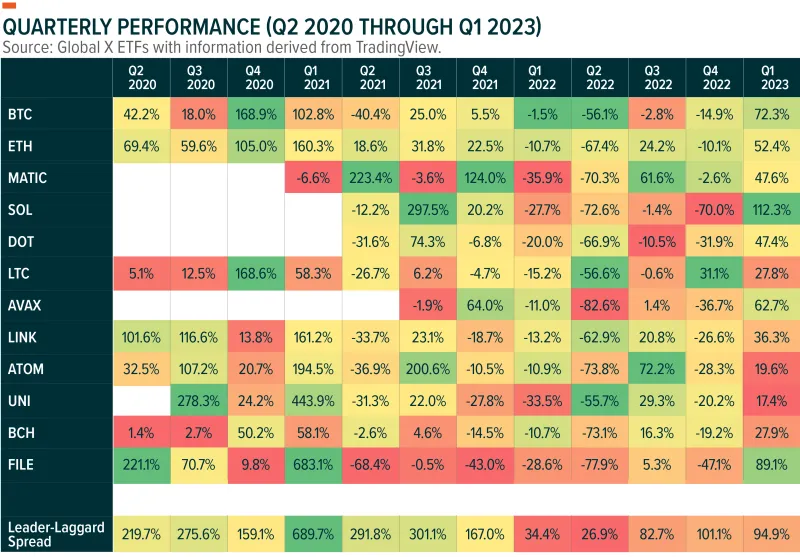
Several mid-tier betting platforms in 2022-2023 followed a similar script: aggressive token-based incentives attracted massive TVL during the bull run, but when ETH and BTC dropped sharply, token prices followed, incentives evaporated, and liquidity providers rushed for the exits simultaneously. Platforms that had looked healthy on paper were suddenly unable to process withdrawals at scale. The TVL charts told the story weeks in advance — a slow decline that accelerated into a cliff.
The Regulatory Trigger Collapse
When the SEC or CFTC makes noise about a specific category of crypto activity, platforms in that category don't wait to find out if they're targeted — they preemptively restrict US users, pause services, or quietly reduce operations. The problem is that these announcements often trigger a panic exit from non-US users too, creating a self-fulfilling liquidity crisis. Platforms with thin reserves can't survive even a temporary surge in withdrawal demand.
The lesson: monitor regulatory news cycles closely. When a major enforcement action drops in a related category, check your platform's exposure immediately.
Building Your Exit Playbook
Knowing the warning signs is useless if you don't have a plan. Here's a simple framework:
Set TVL trip wires. If a platform you're using drops more than 20% TVL in 30 days with no clear market-wide explanation, begin reducing your exposure. Don't wait for confirmation — by the time it's obvious, the exits are already crowded.
Diversify across platforms and chains. Concentration risk in a single betting platform is the fastest way to get wiped out by a platform-specific collapse. Spread exposure across at least two or three venues on different chains.
Keep withdrawal hygiene clean. Always test withdrawals with small amounts regularly. A platform that starts adding friction to withdrawals — longer processing times, new verification requirements, lower daily limits — is showing its hand.
Monitor the team's own wallets. If you can identify wallets associated with the founding team (often visible through early token distributions), watch them. Team wallets moving tokens to exchanges before a major announcement is one of the oldest plays in the book.
The Takeaway
Crypto betting cycles are real, they're repeating, and they're readable. The bettors and traders who survive them aren't the ones with the best instincts — they're the ones watching the right metrics, acting before the crowd, and never letting optimism override the data.
The boom is fun. The bust is expensive. Know the difference early enough to matter.