Trade Your Bet: How Tokenized Prediction Markets Are Reshaping the Way Americans Wager
Imagine placing a bet on a game, watching the momentum shift, and then selling your position at a profit before the final whistle even blows. That's not some futuristic fantasy — it's what tokenized prediction markets are already doing for crypto-savvy bettors across the US. And if you're still parking money at a traditional sportsbook and waiting for the outcome like it's 2005, you're leaving serious edge on the table.
Let's break down how these platforms actually work, why they give sharp bettors a structural advantage, and what the current regulatory climate in the US means for your ability to participate.
What Makes a Prediction Market Different From a Sportsbook
At a traditional sportsbook — whether that's DraftKings, FanDuel, or your buddy's offshore account — you place a wager at a fixed price, and that bet is essentially frozen until the event resolves. The house sets the lines, bakes in a margin (the vig), and profits whether you win or lose over the long run. You're always fighting against a built-in structural disadvantage.
Tokenized prediction markets flip that model on its head. Platforms like Polymarket operate using automated market makers (AMMs) and smart contracts on blockchain networks — primarily Polygon in Polymarket's case. Instead of betting against a bookmaker, you're buying and selling outcome tokens in an open, peer-to-peer marketplace. A "Yes" token on a particular outcome might trade at $0.62, implying a 62% probability. If you think that probability is understated, you buy. If the market eventually agrees with you — or if you want to lock in gains before resolution — you sell your tokens at a higher price.
The key difference? Your position is liquid. You're not locked in. That changes everything about how you approach risk.
The Mechanics Behind the Markets
Here's a quick breakdown of how a tokenized prediction market trade actually flows:
- Market creation: A question is posed — "Will the Fed raise rates before June 30?" or "Will Team X win the championship?" Outcome tokens (typically Yes/No) are minted and placed in a liquidity pool.
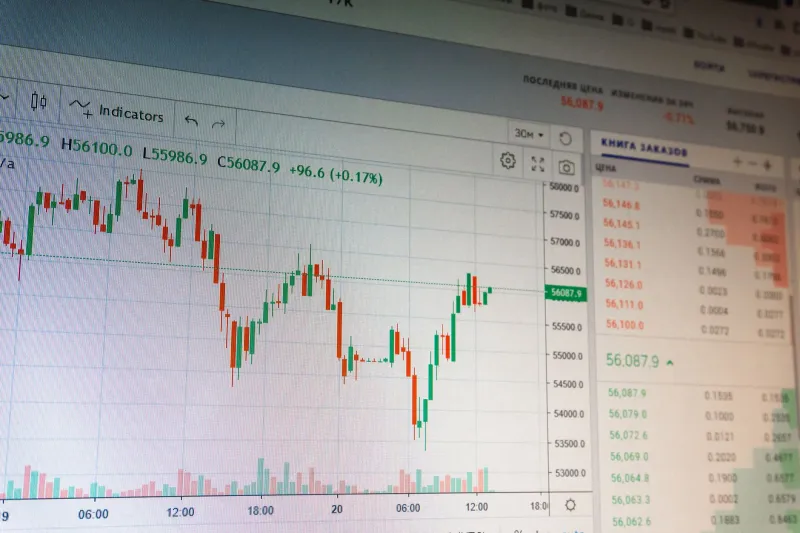
- Price discovery: As traders buy and sell, prices shift to reflect collective sentiment. Think of it like a stock price updating in real time based on new information.
- Liquidity provision: Some participants act as market makers, depositing funds into the pool to earn fees. This keeps spreads tight and makes it easier to enter and exit positions.
- Resolution: When the event concludes, an oracle (a trusted data feed, sometimes decentralized) reports the outcome. Winning tokens are redeemable for $1 each; losing tokens go to zero.
This structure means the market is constantly pricing in new information — injury reports, breaking news, economic data — just like a financial market. And that's exactly where sharp bettors find their edge.
Why Liquidity and Market Efficiency Actually Work in Your Favor
Here's something traditional sportsbooks don't want you to think about: a highly liquid prediction market tends toward efficiency, which sounds like bad news for bettors but is actually a feature for skilled players.
In an efficient market, mispricings are rare — but they do happen, especially in the hours immediately after new information drops. A sharp bettor who processes information faster than the crowd can enter a position before the market corrects, then exit once prices adjust. That's the same edge a professional sports trader or a quantitative hedge fund exploits in financial markets.
Because prediction market odds aren't set by a bookmaker with a house edge baked in, the theoretical ceiling on your returns is higher. You're competing against other bettors, not against a corporation with a structural advantage. That's a fundamentally fairer fight — if you're willing to put in the analytical work.
Platforms like Polymarket also allow for position sizing flexibility that most sportsbooks don't offer. You can scale in gradually, average your entry price, or hedge a position by buying the opposing outcome if circumstances change. These are tools that belong in a trader's toolkit, not a bettor's, and that's exactly the mindset shift that tokenized markets demand.
The US Regulatory Landscape: Complicated, But Moving
Let's be straight with you: the regulatory picture for prediction markets in the US is genuinely messy, and it's evolving fast.
Polymarket, for instance, settled with the CFTC in 2022 and subsequently geofenced US users from its platform. That hasn't stopped American crypto enthusiasts from finding ways to participate, but it does mean you need to stay informed about what's legally accessible to you depending on your state.
The more promising development is on the regulated side. Kalshi, a CFTC-regulated prediction market, successfully fought to offer event contracts on US elections after a legal battle with regulators — a landmark moment that signaled the government is slowly warming to the concept. As more platforms pursue regulatory approval, the space accessible to US bettors is likely to expand significantly over the next few years.
For now, the practical advice is simple: use platforms that are either explicitly regulated for US users or consult legal guidance for your specific state. The opportunity is real, but so is the need to stay compliant.
How to Start Thinking Like a Prediction Market Trader
If you're coming from a sports betting background, the mental model shift is the biggest hurdle. Here are a few principles to internalize:
- Think in probabilities, not outcomes. A 65-cent Yes token isn't a "good bet" just because you think it'll win. It's a good bet if the true probability is higher than 65%.
- Watch the order book. Sudden price movements often signal that informed participants are acting on information you don't have yet. That's a signal worth paying attention to.
- Time your entries. Just like in trading, when you enter matters as much as what you enter. Early markets on low-information events often have the widest mispricings.
- Use your position dynamically. If your thesis plays out early, consider taking partial profits rather than riding to resolution. Locking in a 40% gain before an event concludes is still a win.
The gap between a bettor and a trader has never been thinner. Tokenized prediction markets are the bridge — and American bettors who learn to cross it will find a more level playing field than anything a traditional sportsbook has ever offered.
The smart contract doesn't care about the vig. It just executes. That's your edge.