What the Order Book Is Telling You (And Why Most Bettors Aren't Listening)
What the Order Book Is Telling You (And Why Most Bettors Aren't Listening)
Picture a Vegas pit boss. He's not watching the cards — he's watching the table. The patterns, the hesitation, the size of the bets, who's stacking chips and who's quietly cashing out. He processes all of it in real time, and it informs every decision he makes before the next hand is dealt.
That's exactly how experienced crypto traders approach the order book.
For most US crypto bettors, the order book is just that cluttered panel on the side of a DEX interface — numbers scrolling past while you focus on the price chart. But flip your perspective, and that panel becomes one of the most powerful predictive tools available to you. No paid subscription required. No insider access. Just raw, unfiltered market intent displayed in real time.
Let's break down how to actually read it.
What You're Looking At: The Basics
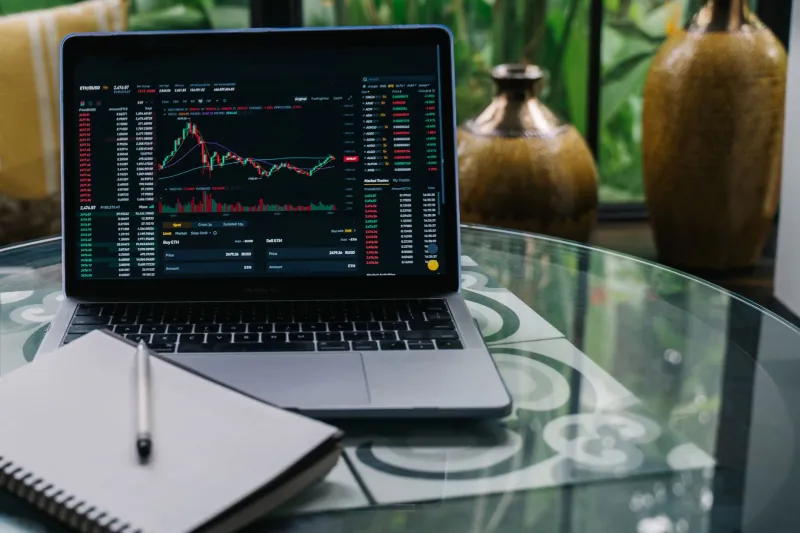
Every decentralized exchange that offers an order book view — think dYdX, Vertex, or any CEX hybrid — shows two columns: bids and asks.
Bids are buy orders. These are traders saying, "I'll pay up to X for this token."
Asks are sell orders. These are traders saying, "I'll sell this token for no less than Y."
The gap between the highest bid and the lowest ask is the bid-ask spread. This number matters more than most bettors realize. A tight spread signals a liquid, active market — one where you can enter and exit without getting slaughtered on slippage. A wide spread? That's a warning sign. It means the market is thin, volatile, or both. Placing a large wager in that environment is like going all-in on a hand before the dealer's even shuffled.
For bettors timing entries around major crypto events — a token unlock, a protocol upgrade, a big sports betting settlement — spread width tells you whether the market is ready for your size or whether you'll move the price just by showing up.
Order Clustering: Where the Real Intelligence Lives
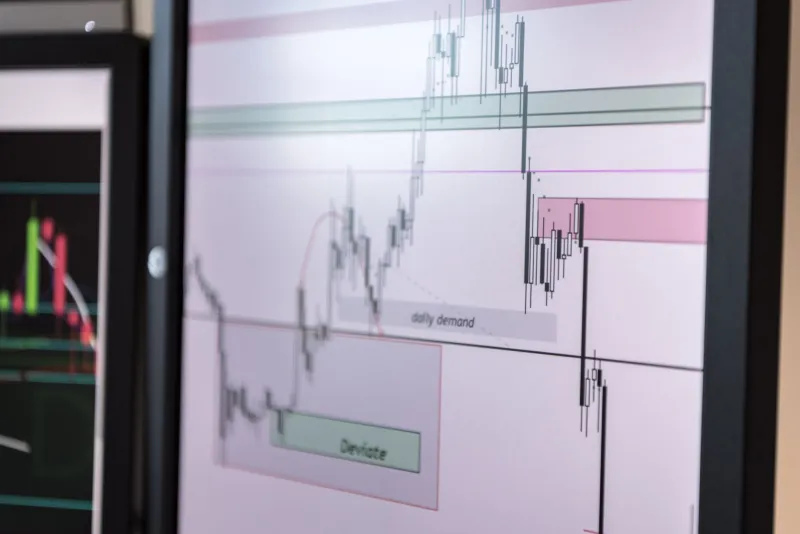
Beyond the spread, start paying attention to where orders bunch up. When you see a dense concentration of buy orders stacked at a specific price level, that's called a support cluster. The market is essentially saying: a lot of players want in at this price, and they're willing to defend it.
On the flip side, a thick concentration of sell orders above the current price is a resistance cluster — a ceiling that the token has to punch through before it can run higher.
Why does this matter for a crypto bettor? Because these clusters act like invisible rails on a racetrack. If you're betting on a token that needs to break above $4.20 to validate your thesis, and there's a massive ask wall sitting at $4.18, that wall has to get absorbed before price can move. Sometimes it does. Sometimes it doesn't. But at least you know it's there — and you can size your position accordingly instead of walking in blind.
Pro tip: Watch the clusters over time. If a big sell wall starts disappearing without a corresponding price drop, that's a whale quietly absorbing supply. That's bullish. If a buy wall vanishes right before a price dump, someone pulled their support intentionally — a classic market manipulation move called a spoofing play. Recognizing it early can save your stack.
Price Walls and the Fake-Out Game
Speaking of spoofing — this is where things get genuinely interesting for sharp bettors.
A price wall is an unusually large order sitting at a specific level, often placed by a single large player. These walls look intimidating and can artificially suppress or inflate price in the short term. But here's the thing: not all walls are real. Some are placed just to create the impression of resistance or support, then pulled the moment price approaches.
The tell? Watch the order book velocity. A genuine wall holds steady and gets slowly chipped away as smaller orders fill against it. A fake wall flickers — it appears, price reacts, and then it vanishes before getting touched. If you see this pattern repeat, you're likely watching a whale toy with retail sentiment.
For a crypto bettor using token price movement as part of a broader wager strategy — say, timing when to convert winnings back into a stablecoin — recognizing fake walls can be the difference between a clean exit and getting trapped at the wrong level.
Using Order Book Depth for Entry Timing
Here's a practical workflow you can apply before placing any significant on-chain bet:
-
Pull up the order book for the token you're wagering with. Even if you're betting on a sports market, the token you're using to fund the bet has its own price risk.
-
Check the spread. Is it tight or wide? Wide spread = higher slippage risk = your effective cost-per-wager just went up.
-
Scan for clusters within 2-3% of current price. Are there obvious support or resistance levels? Where would the market likely stall or bounce?
-
Watch the book for 5-10 minutes before executing. Is the depth stable or is it shifting fast? Rapid order book changes often precede sharp price moves.
-
Size accordingly. If the book is thin, go smaller. If it's deep and stable, you can move with more confidence.
This isn't about turning into a full-time day trader. It's about adding one more layer of intelligence to decisions you're already making — the same way a pit boss adds context to every hand he watches.
The Edge Most Bettors Leave Behind
The crypto betting space in the US is getting more competitive every month. More platforms, more liquidity, more sophisticated players entering the market. The bettors who consistently come out ahead aren't necessarily smarter — they're just using more of the information available to them.
The order book is free data. It's live. It's unfiltered. And the vast majority of bettors scroll right past it.
That's your edge. Take it.
Next time you're about to fund a wager on a decentralized betting platform, spend two minutes with the order book before you hit confirm. Watch the spread. Find the walls. Note the clusters. You don't need to be a quant to spot the patterns — you just need to look.
The pit boss doesn't win every hand. But he never plays one without knowing exactly what the table looks like first.