Follow the Giants: Reading On-Chain Footprints Before the Market Even Knows They Exist

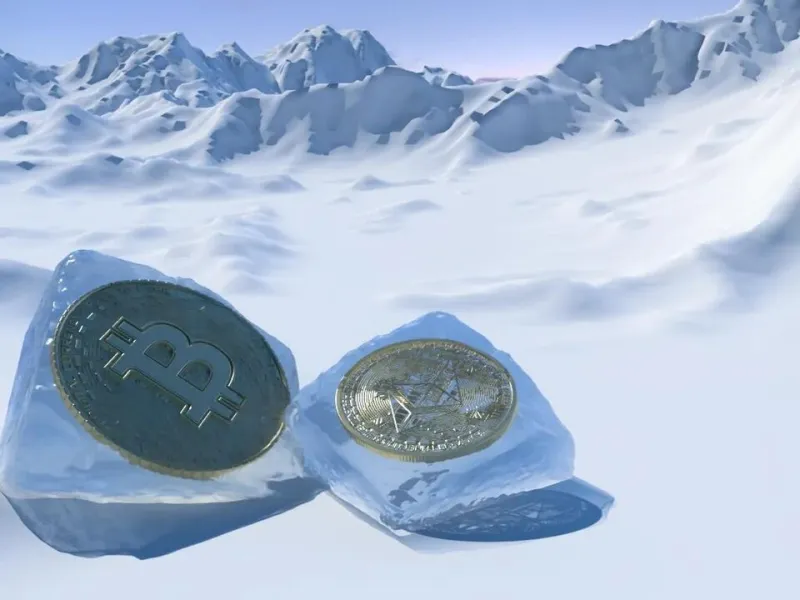
Photo: Adrian Pingstone (Arpingstone), Public domain, via Wikimedia Commons
Every move a whale makes gets recorded. Permanently. On a public ledger that anyone with an internet connection can read.
That's the beautiful irony of crypto — the most powerful players in the space can't hide. Their billion-dollar repositioning shows up in the same blockchain explorer you've had bookmarked since 2021. The difference between retail bettors and the folks consistently winning in this market often comes down to one thing: knowing how to read what's already there.
This isn't about insider information. It's about paying attention to data that's sitting in plain sight while everyone else is scrolling Twitter waiting for a headline.
Why Whale Watching Actually Works
Traditional finance has dark pools, private OTC desks, and opaque institutional flows. Crypto, for all its chaos, doesn't have that luxury — at least not entirely. When a wallet holding 50,000 ETH starts moving funds to a centralized exchange, that transaction is visible. When a dormant Bitcoin address that hasn't touched its stack in three years suddenly wakes up and starts splitting funds across multiple wallets, that's a signal.
The reason whale watching works as a strategy is simple: large capital movements precede price action. An institution doesn't dump $200 million into a position all at once — they accumulate gradually, over days or weeks, through dozens of transactions. That accumulation pattern shows up on-chain before the price chart reflects it. By the time CNBC runs a segment on Bitcoin's sudden surge, the smart money already loaded up.
For crypto bettors, this creates a genuine edge. Prediction markets, on-chain sportsbooks, and DeFi derivatives platforms all respond to price sentiment. Getting ahead of a big move — even by a few hours — changes your position dramatically.
The Tools You Actually Need
You don't need a Bloomberg terminal or a quant team. Here's what serious on-chain analysts are actually using:
Etherscan and BscScan are the basics. Every Ethereum and BNB Chain transaction is searchable. Set up alerts for specific wallet addresses you're tracking — exchange cold wallets, known institutional addresses, and historically significant wallets. When they move, you know.
Nansen takes it further. It labels wallets based on behavioral patterns and tags known entities — think "Smart Money," "NFT Influencer," or "DEX Trader." The platform's Smart Money flow dashboards let you see which assets major players are accumulating or dumping in real time.
Whale Alert is the quick-and-dirty version — a Twitter feed and app that broadcasts large transactions as they happen. It's noisy, but for raw speed, nothing beats it. Seeing "500,000,000 USDT moved from unknown wallet to Binance" before your morning coffee is information you can act on.
Glassnode is where the real depth lives. Exchange inflow/outflow metrics, realized cap movements, long-term holder supply changes — this is the data that separates narrative from reality. When exchange inflows spike, selling pressure is building. When coins are flowing off exchanges into cold storage, holders are getting comfortable holding long-term.
Case Studies: When the Chain Told the Story First
Let's get concrete. During the lead-up to Bitcoin's major rally in late 2023, on-chain data showed a sustained drop in exchange-held BTC over several weeks before the move became obvious on price charts. Long-term holder supply was climbing. Realized profits were minimal, meaning people weren't selling into strength — they were accumulating quietly.
Nansen's Smart Money wallets were adding exposure. Glassnode's exchange netflow was consistently negative — more BTC leaving exchanges than entering. Anyone tracking these metrics had a weeks-long window to position before retail caught the story.
Contrast that with the Celsius collapse in mid-2022. On-chain sleuths spotted unusual large withdrawals from Celsius-linked wallets days before the company announced a freeze on withdrawals. The blockchain didn't lie. Wallets were moving funds out in a pattern that screamed distress. Bettors who caught that signal had time to exit positions, pull liquidity from related DeFi platforms, and even open short exposure before the broader market understood what was happening.
Building Your Own Whale-Watching Routine
You don't need to monitor this 24/7 — that's what alerts are for. Here's a practical daily workflow:
Morning check (10 minutes): Review Whale Alert for any overnight transactions over $50 million. Flag anything moving to or from centralized exchanges. Note which assets are involved.
Mid-day scan (15 minutes): Pull up Nansen's Smart Money dashboard. Are the wallets labeled as historically accurate accumulators adding to positions or trimming? Cross-reference with Glassnode's exchange flow data.
Pre-bet analysis: Before placing any significant wager on a crypto prediction market or DeFi derivatives platform, check whether large wallets have been active in that asset in the past 48 hours. A quiet chart with heavy on-chain accumulation is a very different risk profile than the same chart with massive outflows happening in the background.
The Edge Doesn't Last Forever
Here's the uncomfortable truth: as more people adopt these tools, the edge compresses. Whale Alert already has hundreds of thousands of followers. Nansen's user base grows every month. The moment on-chain data becomes as mainstream as a price chart, the information advantage disappears.
But we're not there yet. Most retail participants in crypto betting markets are still reacting to Twitter posts and YouTube thumbnails. They're placing bets based on vibes, not data. That gap — between what the chain already knows and what the crowd eventually figures out — is where your edge lives right now.
Use it while it's still worth something.